Indian journal of Research in Homeopathy is a medical journal aimed at improving the understanding and research in Homeopathy by publishing quality articles . It publishes articles on homeopathic researches that advances or illuminates homeopathic science , educate the journal readers & promotes debate.
Showing posts with label Homeopathic research. Show all posts

Sunday, April 28, 2013

Clinical evaluation of homoeopathic therapy in the management of hyperlipoproteinemia

Clinical evaluation of homoeopathic therapy in the management of hyperlipoproteinemia by  J.P. Govekar1, V.K. Paul, K. Singh, Praveen Oberai, , Varanasi Roja
Regional Research Institute (H), New Delhi
Central Council for Research in Homeopathy, Headquarters, New Delhi


Objectives:This study aimed at evolving a group of useful homoeopathic medicines in the treatment of hyperlipoproteinaemia, to identify their reliable indications, most useful potencies, frequency of administration and relationship with other medicines.
Methods: A prospective observational study was carried out during the period 1992-2003. Three hundred and twenty two patients with hyperlipoproteinaemia and various clinical presentations were studied. Patients of more than 30 years of age, with cholesterol > 200mg/dl, triglycerides > 170mg/dl, LDL > 150mg/dl, VLDL > 50mg/dl and HDL < 35 mg/dl were included in this study. Specificparameters were followed to assess the intensity of complaints and the improvement status.
Homoeopathic medicines were prescribed in different potencies (Q to 10M), basing on the presenting complaints, mental and physical attributes of the patients. The patients were advised to have low calorie diet and regular exercise.
Results: Two hundred ninety three (293) patients were followed up regularly and varying degrees of improvement were observed, viz. marked improvement in 77 patients, moderate improvement in 113 patients, mild improvement in 100 patients and no improvement in 03 patients. Abroma augusta 30, Gelsemium 30, Lycopodium 1M, Bryonia alba 30, Pulsatilla 30, Nux vomica 30 were found to be useful among the other prescribed medicines.
Conclusion: Results obtained from the study are encouraging with findings that 26% of the patients improved markedly with an evidence of changes in laboratory parameters. However, an experiment in controlled setting with improved protocol and clearer outcome parameters is required.
Key words: homoeopathy; observational study; hyperlipoproteinaemia; abroma augusta; gelsemium; lycopodium; bryonia alba; pulsatilla; nux vomica.

Courtesy : CCRH

Full Text with download link : https://www.box.com/s/5hsvhit133j2cytmqnej

Thursday, June 21, 2012

New Study Proves Homeopathy Prevents Japanese Encephalitis

image Decreased Intensity of Japanese Encephalitis Virus Infection in Chick Chorioallantoic Membrane Under Influence of Ultradiluted Belladonna Extract. American Journal of Infectious Diseases 6 (2): 24-28, 2010.
The homeopathic remedy Belladonna is effective in preventing Japanese Encephalitis (JE), says a  recent study conducted by the Department of Microbiology at the School of Tropical Medicine in Kolkata, the Department of Clinical and Experimental Pharmacology at the School of Tropical Medicine in Kolkata, the University of Health Sciences in Kolkata, the Department of Pathology and Microbiology in West Bengal, in collaboration with the the Drug Proving Research Centre of the Central Council for Research in Homeopathy (CCRH), and the Government of India in Kolkata, and the Department of AYUSH Ministry of Health in New Delhi.
Read more about research on homeopathy
Abstract: Problem statement: No specific antiviral therapy is currently available despite an emergence and resurgence of Japanese encephalitis in South-East Asian Countries.
There are only few recent studies, which were aimed to treat Japanese encephalitis with newer drugs. There is thus a real need for study on antiviral agents that can reduce the toll of death and neurological sequelae resulting from infection with this virus.
Approach: Optimum dilution of the JE virus was determined which could produce significant number of pocks on Chorioallantoic Membrane (CAM). Then ultradiluted Belladonna preparations were used to see their inhibitory action on JE virus infection in CAM.
Results: Ultradiluted Belladonna showed significantly decreased pock count in CAM in comparison to JE virus control.
Conclusion: Ultradiluted Belladonna could inhibit JE virus infection in CAM, which may be mediated through glycosidase inhibitory role of calystegines present in Belladonna.
Study conducted by: 1Bhaswati Bandyopadhyay, 2Satadal Das, 1Milan Sengupta, 3Chandan Saha, 4Kartick Chandra Das, 4Debabrata Sarkar and 5Chaturbhuj Nayak. 1Department of Microbiology, Virology Unit, School of Tropical Medicine, Kolkata-700073, India. 2Department of Pathology and Microbiology, D.N. De H. Medical College, West Bengal University of Health Sciences, Kolkata-700046, India. 3Department of Clinical and Experimental Pharmacology, School of Tropical Medicine, Kolkata-700073, India. 4Drug Proving Research Centre, CCRH, Government of India, Kolkata-700 046, India. 5Department of AYUSH, Ministry of Health, CCRH, Government of India, JLN Anudandhan Bhawan, 61-65 Intitutional Area, Janakpuri, New Delhi 110058.
Courtesy : Sue Young

Download Link : https://www.box.com/s/28b4d9e9cbfcd4fb2393

Monday, August 8, 2011

Modulation of arthritis in rats by Toxicodendron pubescens and its homeopathic dilutions.

rats

Source : pubmed

Modulation of arthritis in rats by Toxicodendron pubescens and its homeopathic dilutions.

Patil CR, Rambhade AD, Jadhav RB, Patil KR, Dubey VK, Sonara BM, Toshniwal SS.

Source

R. C. Patel Institute of Pharmaceutical Education and Research, Karvand Naka, Shirpur 425 405, Dhule, Maharashtra, India.

Abstract
BACKGROUND:

Toxicodendron pubescens P. Mill (Anacardiaceae) known in homeopathy as Rhus toxicodendron (Rhus tox) is used as an anti-inflammatory medicine in homeopathic practice. In this study, Rhus tox in its crude form and homeopathic dilutions (3cH, 6cH, 30cH, 200cH) was evaluated for effects on Complete Freund's Adjuvant (CFA) induced arthritis in rats.

METHOD:

We assessed the severity of arthritis through observations including inflammatory lesions, body and organ weight and hematological parameters including C-reactive protein (CRP). Blinded radiological analysis of the affected joints and pain intensity determination was also carried out.

RESULTS:

Rhus tox protected rats from CFA-induced inflammatory lesions, body weight changes and hematological alterations. Rhus tox protected against radiological joint alterations due to arthritis. Arthritic pain scores were also favorably affected by Rhus tox. All the dilutions of Rhus tox including crude form showed anti-arthritic activity. The maximum protective effect was evident in the crude form at 10mg/kg/day, by mouth.

CONCLUSION:

This study supports claims in the homeopathic literature on the role of Rhus tox and its ultra dilutions in the treatment of arthritis and associated pain. Further study is needed to explain this anti-arthritic effect of Rhus tox.

Tuesday, March 22, 2011

Launch of CAM Quest Database & Homeopathic Veterinary Database (VetCR)

Launch of CAM-QuestDatabase
The Carstens Foundation in Germany has recently launched an excellent online database of clinica lresearch in CAM. Studies in nine different therapies have been included: acupuncture, anthroposophic medicine, ayurveda, bioenergetics, herbal medicine, homeopathy, manual medicine, mind-body medicine and TCM.
The database includes a large number of German homeopathic case reports and provides the facility to perform searches by disease, therapy and study design. The ‘quick search’ function provides a synopsis of studies using the most common therapies for the most common diseases whilst the ‘expert search’ function enables a detailed, comprehensive search across the CAM therapies and full range of diseases within the database.
At present the database is available in English, French, Dutch and German, but there are plans to translate it into all European languages. It is accessible free of charge at  http://www.cam-quest.org
First Homeopathic Veterinary Database (VetCR)
The first database of clinical research in veterinary homeopathy is now accessible online. Containing all available literature on original veterinary studies it provides access to approximately 200 entries of randomised clinical trials, non-randomised clinical trials, observational studies, drug provings, case reports and case series.
Produced by the Carstens Foundation, the database is freely available at [ http://www.carstens-stiftung.de/clinresvet/index.php

Sunday, February 20, 2011

Psorinum Therapy in Treating Stomach, Gall Bladder, Pancreatic, and Liver Cancers: A Prospective Clinical Study

Psorinum Therapy in Treating Stomach, Gall Bladder, Pancreatic, and Liver Cancers: A Prospective Clinical Study

Aradeep Chatterjee , Ashim Chatterjee :Critical Cancer Management Research Centre & Clinic, 381 S K Deb Road, West Bengal, Kolkata 700 048, India

Jaydip Biswas , Sudin Bhattacharya,Syamsundar Mandal : Chittaranjan National Cancer Institute, Kolkata 700 026, India

 Bishnu Mukhopadhyay : National Institute of Technology, Durgapur 713209, India

ABSTRACT

We prospectively studied the clinical efficacy of an alternative cancer treatment “Psorinum Therapy” in treating stomach, gall bladder, pancreatic and liver cancers. Our study was observational, open level and single arm. The participants' eligibility criteria included histopathology/cytopathology confirmation of malignancy, inoperable tumor, and no prior chemotherapy or radiation therapy. The primary outcome measures of the study were (i) to assess the radiological tumor response (ii) to find out how many participants survived at least 1 year, 2 years, 3 years, 4 years and finally 5 years after the beginning of the study considering each type of cancer. Psorinum-6x was administered orally to all the participants up to 0.02 ml/Kg body weight as a single dose in empty stomach per day for 2 years along with allopathic and homeopathic supportive cares. 158 participants (42 of stomach, 40 of gall bladder, 44 of pancreatic, 32 of liver) were included in the final analysis of the study. Complete tumor response occurred in 28 (17.72%) cases and partial tumor response occurred in 56 (35.44%) cases. Double-blind randomized controlled clinical trial should be conducted for further scientific exploration of this alternative cancer treatment.

Complete details are available HERE

Download Link :  PDF : Link 1

                            Text: Link 2

Thursday, January 6, 2011

HOMEOPATHY : Volume 99, Issue 2, Pages 89-152 (April 2010)

Homeopathy : Volume 99, Issue 2, Pages 89-152 (April 2010)

Contents:

  • Quasi-quantum phenomena and homeopathy
  • A randomized controlled trial to compare the
    use of homeopathy and internal Teat Sealers for
    the prevention of mastitis in organically farmed
    dairy cows during the dry period and 100 days
    post-calving
  • Effect of dielectric dispersion on potentised
    homeopathic medicines
  • Quasi-quantum phenomena: the key to
    understanding homeopath
  • Opposite repertory-rubrics in Bayesian
    perspective
  • The placebo effect and homeopathy
  • A short history of the development of
    homeopathy in India
  • 20 years ago: The British Homoeopathic Journal,
    April 1990
  • International press abstracts
  • Dr RAF Jack: 28 February 1920–9 July 2009
  • Dorothy Cooper: 30 June 1915–29 December 2008
  • Clinical trials, clinical evidence, and selective citation
  • Erratum to ‘‘Chronic primary insomnia: Efficacy
    of homeopathic simillimum’’ [Homeopathy 99
    (2010) 63–68]
  • Erratum to ‘‘Animal models for studying
    homeopathy and high dilutions: Conceptual
    critical review’’ [Homeopathy 99 (2010) 37–50]

Donload Link : Link 1

Courtesy : cafemedico.net

Wednesday, January 5, 2011

Homeopathy, Volume 99, Issue 4, (October 2010)

Homeopathy, Volume 99, Issue 4, (October 2010)

Single PDF, File size: 2.4MB

Contents
Editorial Board
Editorial

Do serial dilutions really dilute?
Original papers
Extreme homeopathic dilutions retain starting materials: A nanoparticulate perspective
Homeopathic prescribing for chronic conditions in feline and canine veterinary practice
Homeopathic Symphytum officinale increases removal torque and radiographic bone density around titanium implants in rats
Statins withdrawal, vascular complications, rebound effect and similitude
Research Review
Infection models in basic research on homeopathy
Social and Historical
200 years Organon of Medicine – A comparative Review of its six editions (1810–1842)
International cooperation in support of homeopathy and complementary medicine in developing countries: the Tuscan experience
20 years ago: The British Homoeopathic Journal, October 1990
Reviews and Abstracts
International press abstracts
Letters to the Editor
Sceptical views on homeopathy: Do we really need “sceptical” homeopaths?
Reply to D. Mastrangelo

Forthcoming meetings

Download LinkLink 1

Homeopathy, Volume 99, Issue 3, Pages 153-228 (July 2010)

Homeopathy, Volume 99, Issue 3, Pages 153-228 (July 2010)

All Article, Single PDF, Size: 3.1 MB


  • Contents
    Editorial Board
    Editorial
    Prophylaxis against Leptospirosis using a nosode: Can this large cohort study serve as a model for future replications?
    Original papers
    Large-scale application of highly-diluted bacteria for Leptospirosis epidemic control
    Chelidonium majus 30C and 200C in induced hepato-toxicity in rats
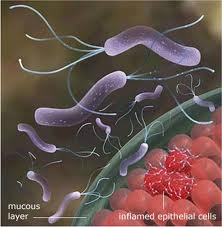
    Heparin-binding epidermal growth factor expression in KATO-III cells after Helicobacter pylori stimulation under the influence of strychnos Nux vomica and Calendula officinalis
    Preliminary investigation of metal and metalloid contamination of homeopathic products marketed in Croatia
    Database on veterinary clinical research in homeopathy
    Clinical
    Semi-standardised homeopathic treatment of premenstrual syndrome with a limited number of medicines: Feasibility study
    Case history: Individualized homeopathy and severe chronic idiopathic neutropenia (SCN)
    Social and Historical
    Hong Kong homeopathy: How it arrived and how it connected with Chinese medicine
    The concept of health – in the history of medicine and in the writings of Hahnemann
    20 years ago: The British Homoeopathic Journal, July 1990
    Book Review
    The Homeopathic Revolution: why famous people and cultural heroes choose homeopathy
    Obituary
    Harris Livermore Coulter: 8 October 1932–28 October 2009. Honouring Harris Coulter and his contribution to Homeopathy and to history
    Letters to the Editor
    “Homeopathy: Ex nihilo fit nihil”?
    Forthcoming meetings
Download Link : Link 1

Sunday, December 26, 2010

Homeopathy -Volume 99, Issue 1, Pages 1-88 (January 2010)

Homeopathy

A valuable resource for those in traditional medicine as well as complementary practitioners, Homeopathy publishes peer-reviewed articles that will appeal to a multi-disciplinary audience.
Homeopathy is an international journal aimed at improving the understanding and clinical practice of homeopathy by publishing high quality articles on clinical and basic research, clinical audit and evidence-based practice of homeopathy. It also promotes debate and reviews homeopathic literature.
Volume 99, Issue 1, Pages 1-88 (January 2010)
Special Issue: Biological models of homeopathy, Part 2
Edited by Stephen Baumgartner, Paolo Bellavite, Leoni Bonamin, Christian Endler and Robert Mathie

Contents:

  • More biological models and randomised clinical trials
  • The similia principle: Results obtained in a cellular model system
  • Enzyme stabilization by glass-derived silicates in glass-exposed aqueous solutions
  • Repetitions of fundamental research models for homeopathically prepared dilutions beyond 10-23 : a bibliometric study
  • Animal models for studying homeopathy and high dilutions: Conceptual critical review
  • Basophil models of homeopathy: a sceptical view
  • Homeopathy as replacement to antibiotics in the case of Escherichia coli diarrhoea in neonatal piglets
  • Chronic primary insomnia: Efficacy of homeopathic simillimum
  • Homeopathic trial design in influenza treatment
  • Placebo effect sizes in homeopathic compared to conventional drugs – a systematic review of randomised controlled trials
  • When sorry seems to be the hardest word: CAM, free speech, and the British legal system
  • 20 years ago: The British Homoeopathic Journal, January 1990

Download Link : Link 1


source : Cafemedico

Saturday, October 2, 2010

Reproductive performance of sows inseminated with diluted semen treated with homeopathic medicine

Reproductive performance of sows inseminated with diluted semen treated with homeopathic medicine

Francisco Rafael Martins Soto, Erlete Rosalina Vuaden, Cideli de Paula Coelho, Leoni Villano Bonamin, Sérgio Santos de Azevedo, Nilson Roberti Benites, Flavia Regina Oliveira de Barros, Marcelo Demarchi Goissis, Mayra Elena Ortiz Assumpção, Mariana Groke Marques

Abstract

Aims: this study sought to assess the reproductive performance of sows inseminated with sperm treated with homeopathic medicines. Materials and methods: the semen of 2 sexually mature boars age 18 months Pietrain and Duroc cross-bred with similar genetic and reproductive performance were chosen, as well as 125 sows. Sixteen samples of semen were collected and standardized through semen evaluation. Three homeopathic preparations and a placebo (control) were tested on the sperm (n=31/32 per group): Avena sativa 6cH, Pulsatilla nigricans 6cH and Avena sativa 6cH + Pulsatilla nigricans 6cH. Sows were inseminated 3 times with the same estrous diagnostic procedures. Results: there was significant difference (p<0.05) between Avena sativa 6cH and the other 3 groups regarding the return to estrus and parturition rate. There was no significant difference among the groups regarding the number of newborn piglets. Conclusion: these data suggest that homeopathic preparation Avena sativa may be used directly on sperm cells to improve the parturition rate in technified swine farms.

Full Text: PDF : http://www.box.net/shared/2sockaqfvq


Source : International Journal of High Dilution Research

A Pilot Study of the Influence of Natrum muriaticum at 6CH and 30CH Potency in a Standardized Culture of Phaseolus vulgaris

effect of Nat mur 6ch on Standardized Culture of Phaseolus vulgaris

A Pilot Study of the Influence of Natrum muriaticum at 6CH and 30CH Potency in a Standardized Culture of Phaseolus vulgaris
Mariana Moreira Lensi, Tatiana Jurgensen Siqueira, Gustavo Henrique Silva

Abstract

The use of highly diluted and dynamized solutions is widespread. Its use extends to all living beings, including vegetables, acting effectively in primary and secondary metabolism. The aim of the present pilot study was to confirm the action of Natrum muriaticum at 6 CH and 30 CH dilutions in comparison to the action of a 5.0% NaCl solution, when administered separately in population of Phaseolus vulgaris (common bean). An evaluation was performed by determining the Relative Growth Rate (RGR) of bean population treated for six weeks and subdivided into 4 groups (with 5 vases each): P1, the control group, which was treated with a 30% alcohol solution only; P2, treated with an aqueous 5.0% NaCl solution; P3, treated with Natrum muriaticun at 6 CH dilution; P4, treated with Natrum muriaticum at 30 CH dilution. The results obtained showed that an increase in soil salinity caused inhibition of the development of bean population (P2). In addition, the use of the Natrum muriaticum dilution promoted a significant increase in vegetable growth, chiefly related to the 6 CH (P3), causing a significant increase in the RGR of the bean population. The use of this high dilutions provided evidence that method is efficient in vegetables.


Download Linkhttp://www.box.net/shared/16tu9pbbg8


Source : International Journal of High Dilution Research

A prospective multicentric observational study to evolve the usefulness of 13 predefined homoeopathic medicines in the management of acute rhinitis in children.

A prospective multicentric observational study to evolve the usefulness of 13 predefined homoeopathic medicines in the management of acute rhinitis in children.

Chaturbhuja Nayak, Vikram Singh, Krishna Singh, Hari Singh, Praveen Oberai, Varanasi Roja, Maya Padmanabhan, Sunil Prasad, Manu Dev Arya, Punnackal Gopalan Mohanan, Ojit Singh, Maniakkupara Devasia John, Nameirakpam Bir Kumar Singh, Swami Raj Bhagat Bhagat, Sunil Ramteke


http://tomi-md.com/wp-content/uploads/2010/07/193191.jpg Abstract

Abstract

Aims: The study aimed to evaluate the effect of a group of homeopathic medicines in children with acute rhinitis. Materials and methods: In this multi-centric open clinical trial, a total of 784 children (408 males; 384 females) aged 6 months to 15 years, presenting symptoms of acute rhinitis were enrolled from 7 Institutes/ Units under the Central Council for Research in Homeopathy (India). Symptoms were assessed using an acute rhinitis symptom score (ARSS). A total of 13 homeopathic medicines were shortlisted after repertorizing the nosological symptoms of acute rhinitis in children and the results were analyzed. The medicines were prescribed in dilution 6c (10-12) and doses were repeated from few minutes to few hours as per the need of the case. Appearance of any change (improvement or worsening) was followed by placebo / change in dilution or change in medicine according to the response of the patient. The follow up period was up to the 7th day of illness. Results: Out of 784 children enrolled, 638 children were followed up and analyzed. A significant change in the score from the baseline (p<0.05) was observed. Twelve medicines were found to be useful in 638 children suffering from acute rhinitis and among them Nux-v (n=109), Merc (n=106) and Bell (n=88) were the most useful. No complications were observed during the treatment. Adverse events in the form of hyperpyrexia were observed in 2 children only. Conclusion: This study indicates the usefulness of homeopathic medicines in the management of acute rhinitis of children; controlled studies are needed to investigate their efficacy and effectiveness.

Download Full Text pdf :   http://www.box.net/shared/fpryr0sega


source : International Journal of High Dilution Research 2010

Monday, August 9, 2010

Heparin-binding epidermal growth factor expression in KATO-III cells after Helicobacter pylori stimulation under the influence of strychnos Nux vomica and Calendula officinalis

Helicobacter-pylori   Heparin-binding epidermal growth factor expression in KATO-III cells after Helicobacter pylori stimulation under the influence of strychnos Nux vomica and Calendula officinalis. Hofbauer R, Pasching E, Moser D, Frass M. Medical University of Vienna, Department of Medicine I, Division of Oncology, Austria. Homeopathy. 2010 Jul;99(3):177-182.

INTRODUCTION: Previous studies have shown the stimulating effect of Helicobacter pylori on the gene expression of heparin-binding epidermal growth factor (HB-EGF) using the gastric epithelial cell line KATO-III.

Strychnos Nux vomica (Nux vomica) and Calendula officinalis are used in highly diluted form in homeopathic medicine to treat patients suffering from gastritis and gastric ulcers.

AIM AND METHOD: To investigate the influence of Nux vomica and Calendula officinalis on HB-EGF-like growth factor gene expression in KATO-III cells under the stimulation of H. pylori strain N6 using real-time PCR with and without addition of Nux vomica and Calendula officinalis as a 10c or 12c potency.

RESULTS: Baseline expression and stimulation were similar to previous experiments, addition of Nux vomica 10c and Calendula officinalis 10c in a 43% ethanolic solution led to a significant reduction of H. pylori induced increase in gene expression of HB-EGF (reduced to 53.12+/-0.95% and 75.32+/-1.16% vs. control; p<0.05), respectively.

Nux vomica 12c reduced HB-EGF gene expression even in dilutions beyond Avogadro’s number (55.77+/-1.09%; p<0.05). Nux vomica 12c in a 21.5% ethanol showed a smaller effect (71.80+/-3.91%, p<0.05).

This effect was only be observed when the drugs were primarily prepared in ethanol, not in aqueous solutions. The data suggest that both drugs prepared in ethanolic solution are potent inhibitors of H. pylori induced gene expression.

Source : Avilian

Large-scale application of highly-diluted bacteria for Leptospirosis epidemic control

 Large-scale application of highly-diluted bacteria for Leptospirosis epidemic control. Bracho G, Varela E, Fernández R, Ordaz B, Marzoa N, Menéndez J, García L, Gilling E, Leyva R, Rufín R, de la Torre R, Solis RL, Batista N, Borrero R, Campa C. Finlay Institute, Ave. 27, La Lisa, Havana City, Cuba. Homeopathy. 2010 Jul;99(3):156-166.

BACKGROUND: Leptospirosis is a zoonotic disease of major importance in the tropics where the incidence peaks in rainy seasons. Natural disasters represent a big challenge to Leptospirosis prevention strategies especially in endemic regions.

Vaccination is an effective option but of reduced effectiveness in emergency situations. Homeoprophylactic interventions might help to control epidemics by using highly-diluted pathogens to induce protection in a short time scale.

We report the results of a very large-scale homeoprophylaxis (HP) intervention against Leptospirosis in a dangerous epidemic situation in three provinces of Cuba in 2007.

METHODS: Forecast models were used to estimate possible trends of disease incidence. A homeoprophylactic formulation was prepared from dilutions of four circulating strains of Leptospirosis.

This formulation was administered orally to 2.3 million persons at high risk in an epidemic in a region affected by natural disasters. The data from surveillance were used to measure the impact of the intervention by comparing with historical trends and non-intervention regions.

RESULTS: After the homeoprophylactic intervention a significant decrease of the disease incidence was observed in the intervention regions. No such modifications were observed in non-intervention regions. In the intervention region the incidence of Leptospirosis fell below the historic median. This observation was independent of rainfall.

CONCLUSIONS: The homeoprophylactic approach was associated with a large reduction of disease incidence and control of the epidemic. The results suggest the use of HP as a feasible tool for epidemic control, further research is warranted.

The Faculty of Homeopathy comments 3.8.10:

A report of the largest study of homeopathy ever undertaken, based on data from over 11 million people (the entire population of Cuba), is published today in the journal Homeopathy1.

It provides fascinating evidence that a highly dilute substance, prepared according to homeopathic principles, may contribute to the prevention of Leptospirosis.

Leptospirosis (also known as Weil’s Disease) is an infectious disease carried by rats and caused by bacteria called spirochetes. People contract the disease through contact with contaminated water. Leptospirosis occurs worldwide, but it is most common in the tropics during periods of heavy rain.

In Cuba, Leptospirosis is recorded by an efficient national surveillance programme.  Its incidence correlates closely with heavy rainfall and subsequent flooding.  In late 2007, in response to a developing epidemic, and with only enough vaccine to treat 15,000 high-risk people, the government decided to treat the entire population of the region, over one year of age, with a homeopathic medicine.  This was prepared from the inactivated causative organism provided by the Cuban National Vaccine Institute.

The homeopathic medicine was given to the 2.3 million population of the provinces usually worst affected.  Within a few weeks the number of cases had fallen from 38 to 4 cases per 100,000 per week, significantly fewer than the historically-based forecast for those weeks of the year.  The 8.8 million population of the other provinces did not receive homeopathic treatment and the incidence was as forecast.  The effect appeared to be sustained: there was an 84% reduction in infection in the treated region in the following year (2008) when, for the first time, incidence did not correlate with rainfall. In the same period, incidence in the untreated region increased by 22%.

“Infectious diseases are still the bane of humanity, particularly in the developing world”, states Dr Sara Eames, President of the Faculty of Homeopathy. “Anything which appears to reduce infection rates in a potentially fatal infection, particularly when it can be prepared and delivered quickly, safely and cost effectively, has to be taken seriously and studied further.”

Dr Peter Fisher, Editor of Homeopathy, notes “This is a very large study and its results, if confirmed, have huge potential impact.  We need more research into the effectiveness of homeopathic preparations in preventing infectious diseases, complications, and the economic viability of a homeopathic approach.”

Leptospirosis (also known as Weil’s Disease)
(Definition from http://www.medicinenet.com/leptospirosis/article.htm)

It is an infectious disease caused by a particular type of bacteria called a spirochete. Leptospirosis can be transmitted by many animals. People contract the disease either by ingesting contaminated food or water or via broken skin and mucous membrane (eyes, nose, sinuses, mouth) in contact with the contaminated water or soil. Leptospirosis occurs worldwide, but it is most commonly acquired in the tropics.

Leptospirosis symptoms begin from two to 25 days after initial direct exposure. The illness typically progresses through two phases:

The first phase of non-specific flu-like symptoms includes headaches, muscle aches, eye pain with bright lights, followed by chills and fever. Watering and redness of the eyes occurs and symptoms seem to improve by the fifth to ninth day.

The second phase begins after a few days of feeling well. The initial symptoms recur with fever, aching and neck stiffness. Some patients develop serious inflammation of the nerves to the eyes, brain, spinal column (meningitis), or other nerves. Right upper area abdominal pain may occur and less common symptoms relate to disease of the liver, lungs, kidneys, and heart.

Immunisation and chemoprophylaxis with antibiotics are effective against Leptospirosis, but they are expensive.  Immunisation requires a course of injections and chemoprohylaxis must be given continuously during the at-risk period.  For these reasons, in most epidemic regions they are used only for high-risk groups,

Homeopathy
Homeopathy, published by Elsevier, is an international peer-reviewed journal. It is the only journal dedicated to the topic that is indexed in PubMed, the main database of medical research articles.

Faculty of Homeopathy
The Faculty of Homeopathy, Incorporated by Act of Parliament 1950, promotes the academic and scientific development of homeopathy. It ensures the highest standards in the education, training and practice of homeopathy by doctors, nurses, midwives, osteopaths, pharmacists, podiatrists, veterinary surgeons and other statutorily registered healthcare professionals.

For further information contact:
Faculty of Homeopathy Media Officer on 07983 759294.

Reference
1. Bracho G, Varela E, Fernández R, et al. Large-scale application of highly-diluted bacteria for Leptospirosis epidemic control. Homeopathy 2010; 99: 156–166.

courtesy : Avilian

Thursday, July 22, 2010

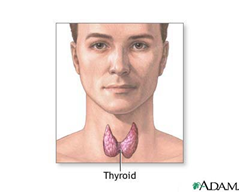
Prevalence of Thyroid Disorders in School Children In Delhi - Post lodization Scenario An epidemiological survey conducted under the first phase of EMR project on "Effects of Homoeopathic treatment on natural history of autoimmune thyroiditis"

image

Prevalence of Thyroid Disorders in School Children In Delhi - Post lodization Scenario
An epidemiological survey conducted under the first phase of EMR project on "Effects of
Homoeopathic treatment on natural history of autoimmune thyroiditis"
V.K. Chauhan1
, R.K. Manchanda 2
, Archan a Narang1
* , R.K. Marwaha 3
, Saurav Arora1
, Latika Nagpal
1
1. Dr. B. R. Sur Homoeopathic Medical College & Hospital, New Delhi,
2. Directorate of ISM&H, Delhi,
3. Institute of Nuclear Medicine & Allied Sciences, Timarpur, Delhi 

This article was published in Indian Journal of Research in Homoeopathy
Vol. 3, No. 3, July-September 2009

Screening of 4543 children between 6-18 years of age from different schools of Delhi was done
during the first phase of research study under EMR project by AYUSH, for thyroid function
status-clinically, serologically & ultrasonographically. Data of 4506 children has been analyzed
& it has been found that goiter is prevalent at mild endemic level in children (17%) even after
two decades of iodization. Significant increase in anti TPO ab positivity (6.39%) and thyroid
dysfunction (11.92%) raises suspicion about the role of environmental goitrogens and prolonged
iodine supplementation.
Key words: anti thyro-peroxidase antibody (anti TPO ab), free T3 (FT3), free T4 (FT4), goiter, Iodine
deficiency disorders (IDDs), subclinical hypothyroidism, thyroid autoimmunity, universal salt iodization
(USI).

Link : http://www.box.net/shared/v1nlgs8gvn

Wednesday, July 7, 2010

Lycopodine from Lycopodium clavatum extract inhibits proliferation of HeLa cells through induction of apoptosis via caspase-3 activation – a potential & promising use in chemotherapy

Lycopodine from Lycopodium clavatum extract inhibits proliferation of HeLa cells through induction of apoptosis via caspase-3 activation.

Mandal SK, Biswas R, Bhattacharyya SS, Paul S, Dutta S, Pathak S, Khuda-Bukhsh AR.

Cytogenetics and Molecular Biology Laboratory, Department of Zoology, University of Kalyani, Kalyani-741235, West Bengal, India.

image
Abstract

Crude ethanolic extract of the plant Lycopodium clavatum has long been used in complementary and alternative medicine for treating various liver ailments and Alzheimer's disease. It has also been claimed to have potential anti-cancer properties in vivo in mice chronically fed liver carcinogens, p-dimethylamino azobenzene (initiator) and phenobarbital (promoter). Incidentally, crude ethanolic extract of Lycopodium clavatum is a mixture of some 201 alkaloids. In order to ascertain if any major fraction can be attributed to have pronounced anti-cancer effect, we examined this major fraction by eluting the crude extract in petroleum ether:ethyl aetate (17:3 vol/vol;) solvent and tried to understand its underlying mechanism. Studies on morphological changes, cell viability and cytotoxicity by microscopy and FACS, Western blot and immunofluorescence of Bcl-2, Bax, cytochrome c, caspase-3 were conducted. Lycopodine was found to induce chromatin condensation, inter-nucleosomal DNA fragmentation and enhanced cell population in sub-G1 region along with increase in reactive oxygen species generation and mitochondrial membrane potential depolarization, release of cytochrome c and activation of caspase-3 which are the events closely involved in apoptosis. An overall analysis of results showed that Lycopodine considerably inhibited growth of HeLa cells which indicates its potential use in chemotherapy.

Source : Pubmed

Monday, June 7, 2010

Encapsulated plant extract (Gelsemium sempervirens) poly (lactide-co-glycolide) nanoparticles enhance cellular uptake and increase bioactivity in vitro

Encapsulated plant extract (Gelsemium sempervirens) poly (lactide-co-glycolide) nanoparticles enhance cellular uptake and increase bioactivity in vitro. Bhattacharyya SS, Paul S, Khuda-Bukhsh AR. Cytogenetics and Molecular Biology Laboratory, Department of Zoology, University of Kalyani, Kalyani-741235, West Bengal, India. Exp Biol Med (Maywood). 2010 Jun 1;235(6):678-88.

Ethanolic extract of Gelsemium sempervirens (family: Loganiaceae), henceforth to be called EEGS, is used in various traditional systems of medicine.

In homeopathy, EEGS is known as mother tincture of G. sempervirens, which is generally used to treat pain and respiratory ailments.

Read about more scientific research into homeopathy

We demonstrated earlier anticancer activity of crude EEGS by in vitro studies on human HeLa cells.

To test the hypothesis if nanoparticle-encapsulated extract (now onwards to be called NEEGS) could enhance cellular uptake and thereby improve bioactivity, we formulated nanoparticle encapsulation based on poly (lactide-co-glycolide) (PLGA) and confirmed encapsulation by scanning electron microscopy (SEM) and atomic force microscopy.

EEGS was encapsulated with 81.6% efficiency in PLGA biodegradable nanoparticle formulation and F68 (polyoxyethylene-polyoxypropylene) was used as a stabilizer. Dynamic laser light scattering and SEM indicated a particle diameter of 122.6 nm.

The zeta potential of the drug-loaded nanoparticles was -14.8 mV. NEEGS was characterized for their biological activities in a skin cancer cell line A375 in vitro.

NEEGS exhibited relatively rapid (30 min) and more efficient cellular uptake than their un-encapsulated counterpart (45 min).

Analysis of data of apoptosis study using Annexin V-FITC, terminal transferase dUTP nick end labeling assay and DNA ladder revealed that encapsulated EEGS was more potent than their un-encapsulated counterpart in inducing apoptosis of A375 cells.

Reverse transcriptase-polymerase chain reaction data of survivin, cyclin-D1, caspase-3, PCNA and p53 also corroborated well to suggest greater potentials of NEEGS as anticancer agents.

Courtesy : Avilian

Saturday, June 5, 2010

Homeopathic drugs Natrum sulphuricum and Carcinosin prevent azo dye-induced hepatocarcinogenesis in mice-a research paper presented by Nandini Bhattacharjee, Pathikrit Banerjee and Anisur Rahman Khuda-Bukhshh

Homeopathic drugs Natrum sulphuricum and Carcinosin prevent azo dye-induced hepatocarcinogenesis in mice*

Nandini Bhattacharjee, Pathikrit Banerjee and Anisur Rahman Khuda-Bukhshh"

The study was undertaken to examine whether Carcinosin-200 (Car-200) could provide additional ameliorative effect, if used intermittently with Natrum sulphuricum-30 (Nat sulph-30) against hepatocarcinogenesis induced by chronic feeding of p-dimethylaminoazobenzene (p-DAB) and phenobarbital (PB) in mice (Mus musculus). Mice were randomly divided into seven sub-groups: (i) normal untreated; (ii) normal+succussed alcohol; (iii) p-DAB (0.06%) + PB (0.05%); (iv) p-DAB + PB +succussed alcohol (v) p-DAB + PB + Nat sulph-30, (vi) p-DAB + PB + Car-200, and (vii) p-DAB + PB + Nat sulph-30+Car-200. They were sacrificed at 30, 60, 90 and 120 days for assessment of genotoxicity through cytogenetical end-points like chromosome aberrations, micronuclei, mitotic index and sperm head anomaly and cytotoxicity through assay of widely accepted biomarkers and pathophysiological parameters. Additionally, electron microscopic studies and gelatin zymography for matrix metalloproteinases (MMPs) were conducted in liver at 90 and 120 days. Results showed that administration of Nat sulph-30 alone and in combination with Car-200 reduced the liver tumors with positive ultra- structural changes and in MMPs expression, genotoxic parameters, lipid peroxidation, y-glutamyl transferase, lactate dehydrogenase, blood glucose, bilirubin, creatinine, urea and increased GSH, glucose-6-phosphate dehydrogenase, superoxide dismutase, catalase, glutathione reductase activities and hemoglobin, cholesterol, and albumin levels. Thus intermittent use of Car-200 along with Nat sulph-30 yielded additional benefit against genotoxicity, cytotoxicity hepatotoxicity and oxidative stress induced by the carcinogens during hepatocarcinogenesis.

Keywords : biomarkers, genotoxicity, homoeopathy, hepatocarcinogenesis, mice, carcinosin-200, natrum sulphuricum-30

" The article was originally published in the journal 'Indian Journal of Biochemistry & Biophysics', Vol-46, August 2009, PP. 307-318. Republished in Indian Journal of Research in Homoeopathy Vol. 3, No. 4, October-December 2009 with the consent of the author and the publisher. "Address for correspondence: Dr. Anisur Rahman Khuda-BukhshCytogenetics and Molecular Biology Laboratory, Department of Zoology,University of Kalyani, Kalyani 741 235, IndiaE-mail: prof_arkb@yahoo.co.in;khuda-bukhsh_48@ rediffmail.com

Download Link : http://www.box.net/shared/4uafbcy9fu

Homeopathic Drugs Natrum Sulphuricum and Carcinosin Prevent Azo Dye-Induced Hepatocarcinogenesis in Mice